The 5 best Undiscovered, Remote Beaches in Colombia
topic
Best Beaches
timer
They're telling me not to do it. Don't tell them. Don't write about them. Keep them our little secret. But at the risk of losing some friends, t here ae my 5 favorite, undiscovered beaches in Colombia.
The Pacific coast of Choco on the western edge of Colombia is remote and magical. There are no roads through the jungle to get there. Just small prop planes landing at small air strips in the fishing villages of Nuqui and Bahia Solano not far from each other in the department of Choco where the jungle ends on sandy beaches. Quick, small boats transport cargo and passengers daily up and down the coast - town to town.
The most beautiful beach along this Pacific coastline is respected to be Guachalito beach near Nuqui. - considered one of the most beautiful beaches in Colombia with its black sands, palm trees and stunning outcrops of igneous rocks along the beach.
Located of the Gulf of Tribuga, here one can find premium lodgings on or near the beach for 200,000 cop ($53) per room per night per couple (Cabanas Iracas) and up to 900,000 ($240) for a room per night (Hotel Palmas Pacific). Since Guachalito has a mystic about it the limited lodgings here tend to be pricier than similiar lodgings in Nuqui or on the other beaches. One can find cheaper hostels in the fishing village of Termales an hour's walk south of Guachalito.
While not easy to get to, the black sand beaches and jungle around Nuqui are a natural paradise. It is an exotic destination in one of the most biodiverse areas of the world.
Beach near the town of of El Valle near Bahia Solano on Colombia's Pacific
Beaches of Bahia Solano Bahia will be a bigger tourist destination in the future. It's remote, coastal Colombia. But for now, like most of the beaches on this list, it is still hard to get to unless one has a week's time at one's disposal just for visiting Colombia's Pacific coast. This time investment will continue keeping most people away from this stretch of coastline.
Playa El Almejal
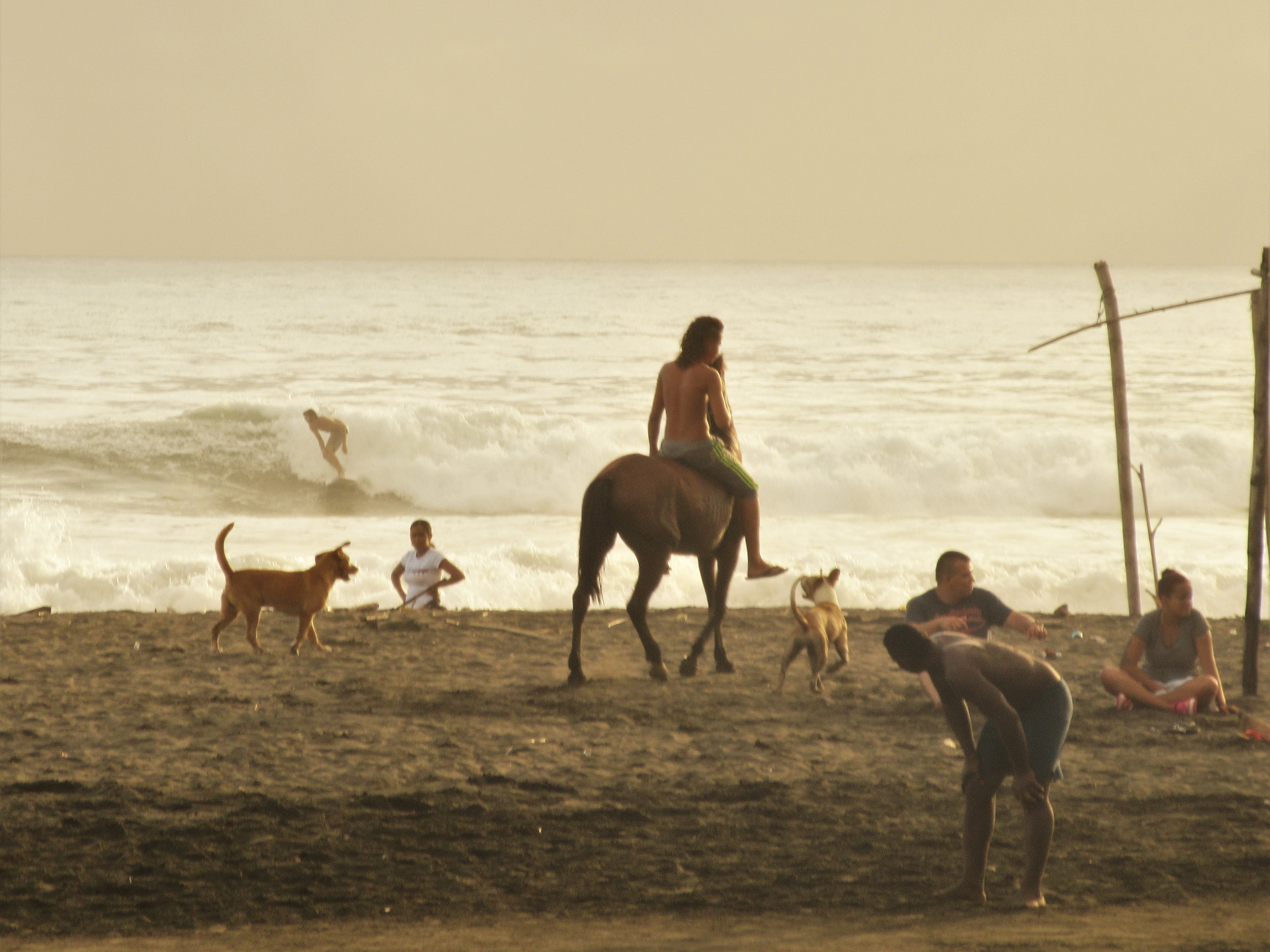
is a good surfing beach with nice breakers rolling onto black volcanic sands. It’s a good beach for lounging and swimming with no complaints of undertows or sharks. Here the jungle spills out onto this remote, Pacific beach.
Playa Almejal near Bahia Solona
Playa Cuevita
For an even more secluded experience, Playa Cuevitais a beach just a 15 minute hike south of the town of El Valle. The longest beach on Colombia’s Pacific coast, Cuevita offers 9 miles of isolated coast to explore. This beach is part of the Utri National Park. The police say walking the isolated beaches is safe here. Bahia Solano and Nuqui are considered relatively safe for tourism. There is a turtle sanctuary 5 km. up the beach called Estacion Septiembre where turtles can be seen laying and hatching eggs between September and December.
Playa Cuevita is a beach with lots of drift wood. It’s a stunning beach walk in the morning at low tide. But in the afternoon, around 4 p.m. everyone disappears. The tide comes in quickly leaving no beach left to walk on. Where the beach ends it's all switch grass and mangrove tree roots. Large pieces of driftwood start floating on the rising tide, drifting and spinning in the waves, making the trek back to El Valle hazardous.
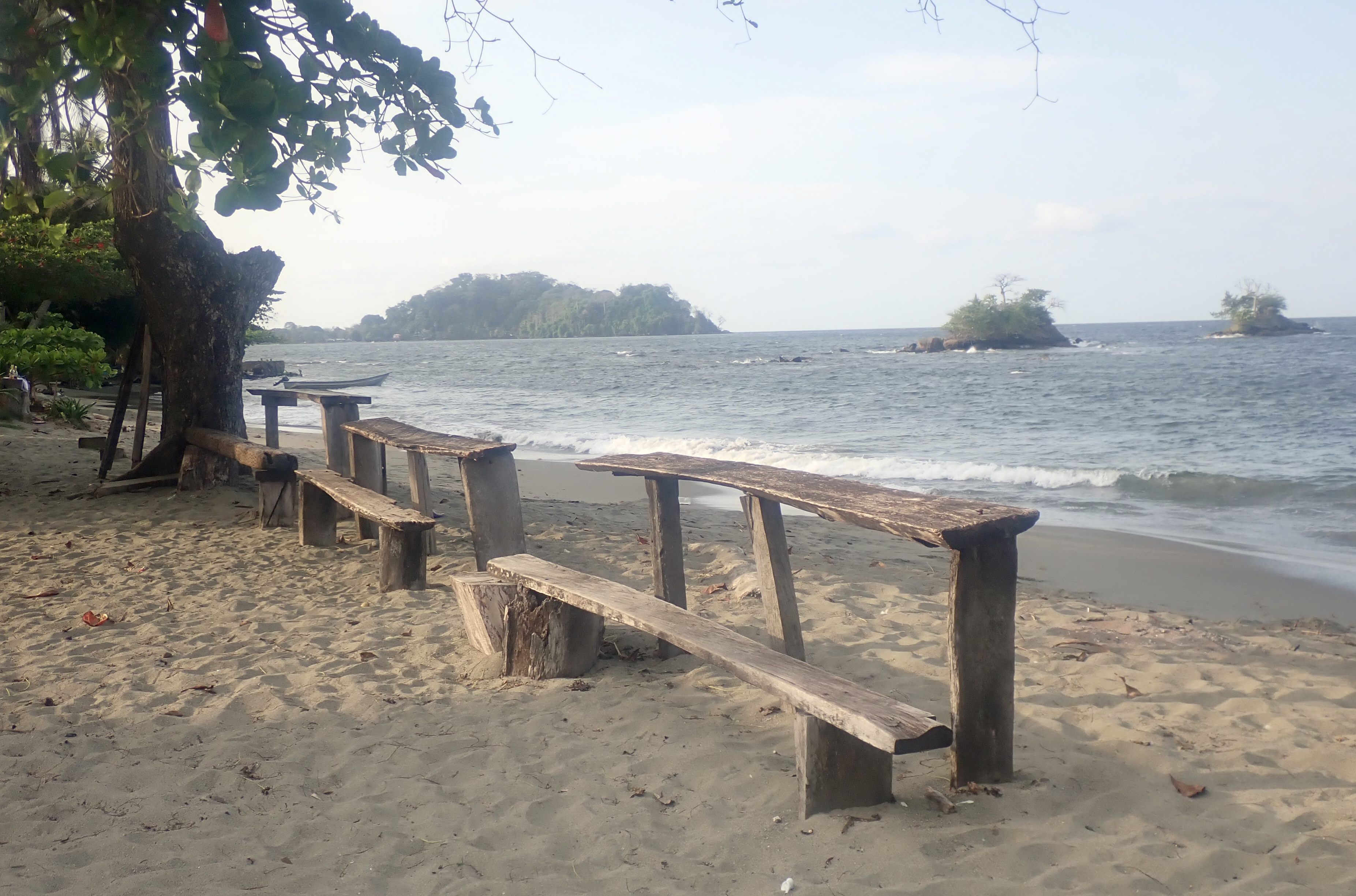
Mendihuaca - is a beach located between Buritaca and Parque Tayrona. It has a singular row of little family run hostels and restaurants right on the beach. The buildings are made with raw cut planks coming from trees an adjoining rainforest.
The course, white sand beach goes on endless. To the east one can walk an hour to Guachaca. To the west side, past the row of hotels and restaurants, Rio Mendihauca empties into the ocean offering sweet and salt water bathing on the Atlantic. Further to the west one can walk all the way to Rio Piedras which borders Parque Tayrona.
The vibe here is very relaxed, tranquil and laid back as opposed to the party atmosphere of nearby Palomino. On Mendihuarca beach there are two surf schools with inexpensive lessons and boards for rent.
Guachaca
is an hour hike up the beach from Mendihuaca, to the east, towards Palomino. It can also be reached by road. Guachalito has a number of beachside resorts more on the modern, lodge style. All-inclusive resorts and cabins with bars, restauranats, pool and other modern amenities. The area is isolated, built into the jungle and offering ample services, activities and comfort in an eco-tourism/glamping ambience. Guachaca is frequented by a mostly younger crowd - mostly foreign tourists and middle-class Colombians.
Beaches of La Guajira Peninsula - Colombia's Caribbean
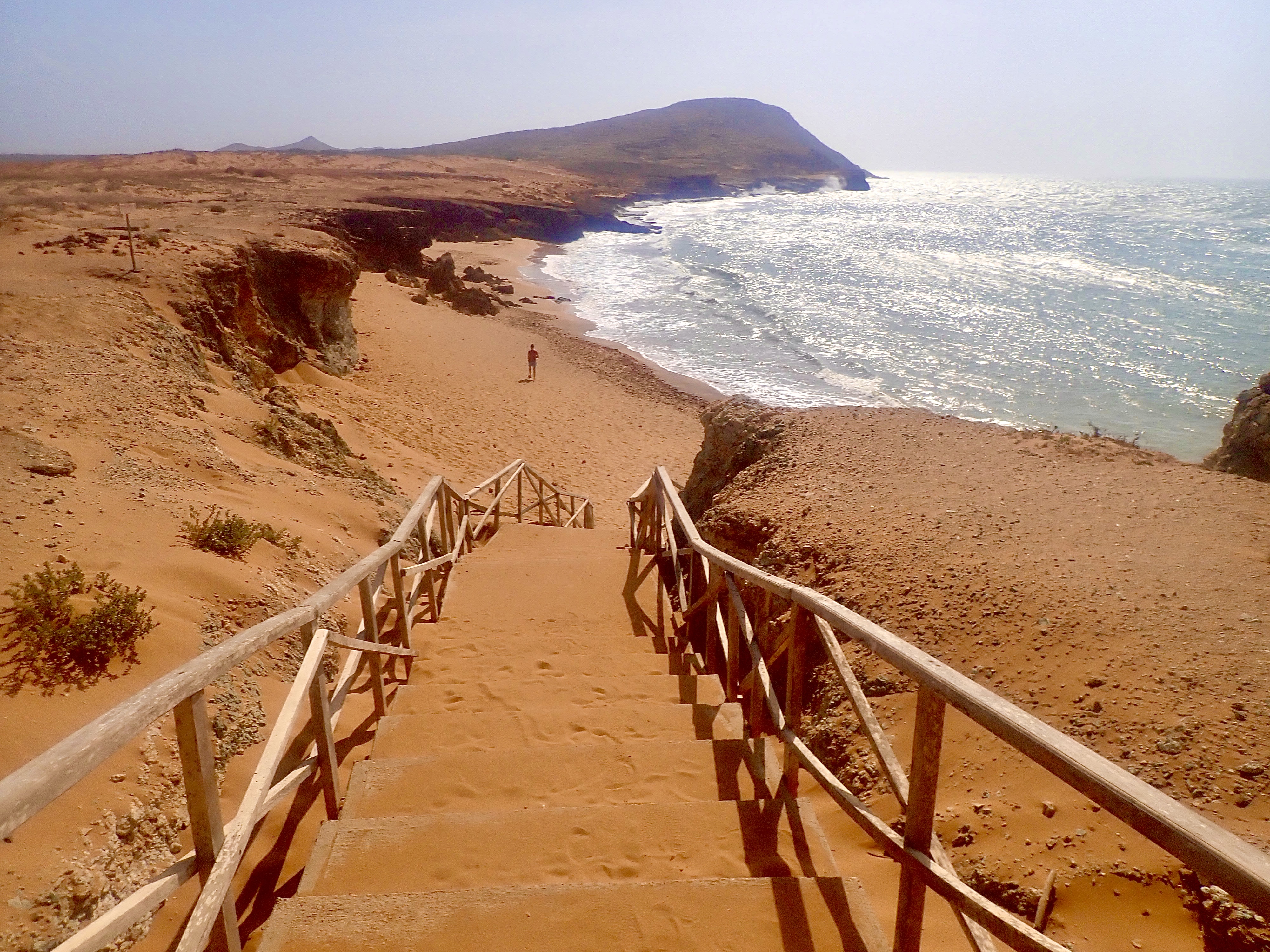
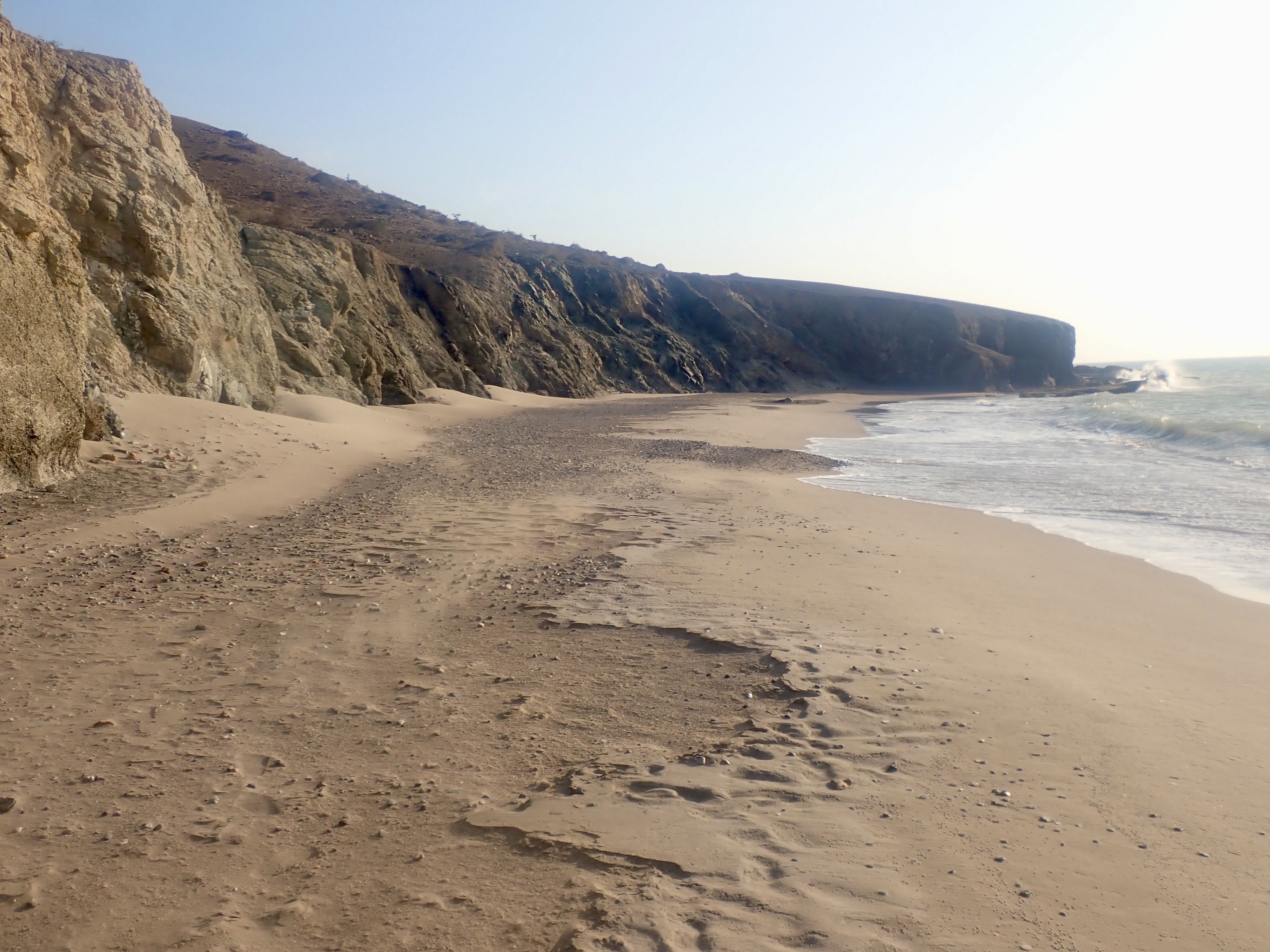
La Guajira Peninsula in northern Colombia is one of the strangest and most spectacular spots I’ve seen in South American. Located at the northern most point of South America, bordering Venezuela, the Guajira peninsula is home to the Wayuu – a Colombian indigenous tribe ruling the entire peninsula. It's an ancestral land. where the sea and desert form one of the most natural landscapes in South America.
Again difficult to get to, one must take a 3 day tour of the Peninsula just to be able to experience these beaches. Tours can be arranged anywhere along the Colombia's Caribbeana coast but they are cheaper and very easy to arrange, even last minute, in the town of Riohacha.
Pilon di Azuri a beautiful beach on a bluff with red dirt, white sands and volcanic rock.
Arcoinis beach - aa brisk walk up a pyramid shaped mountain , a statue of the Virgin Mary sits at the op.
Trigana and San Francisco are two serene villages located within the municipality of Acandí. These villages offer visitors a chance to experience unspoiled natural beauty, rich biodiversity and very laid-back, other-worldly vibes and nice empty beaches.
San Francisco
San Francisco is a small village located just south of Trigana and even more laid back than Triigana with a small rastafa expat community. One can walk to the village from Trigana via a path along the beach – about a 45 minute walk. Boats from Capurgana and Turbo will also leave you on the dock of San Francisco.
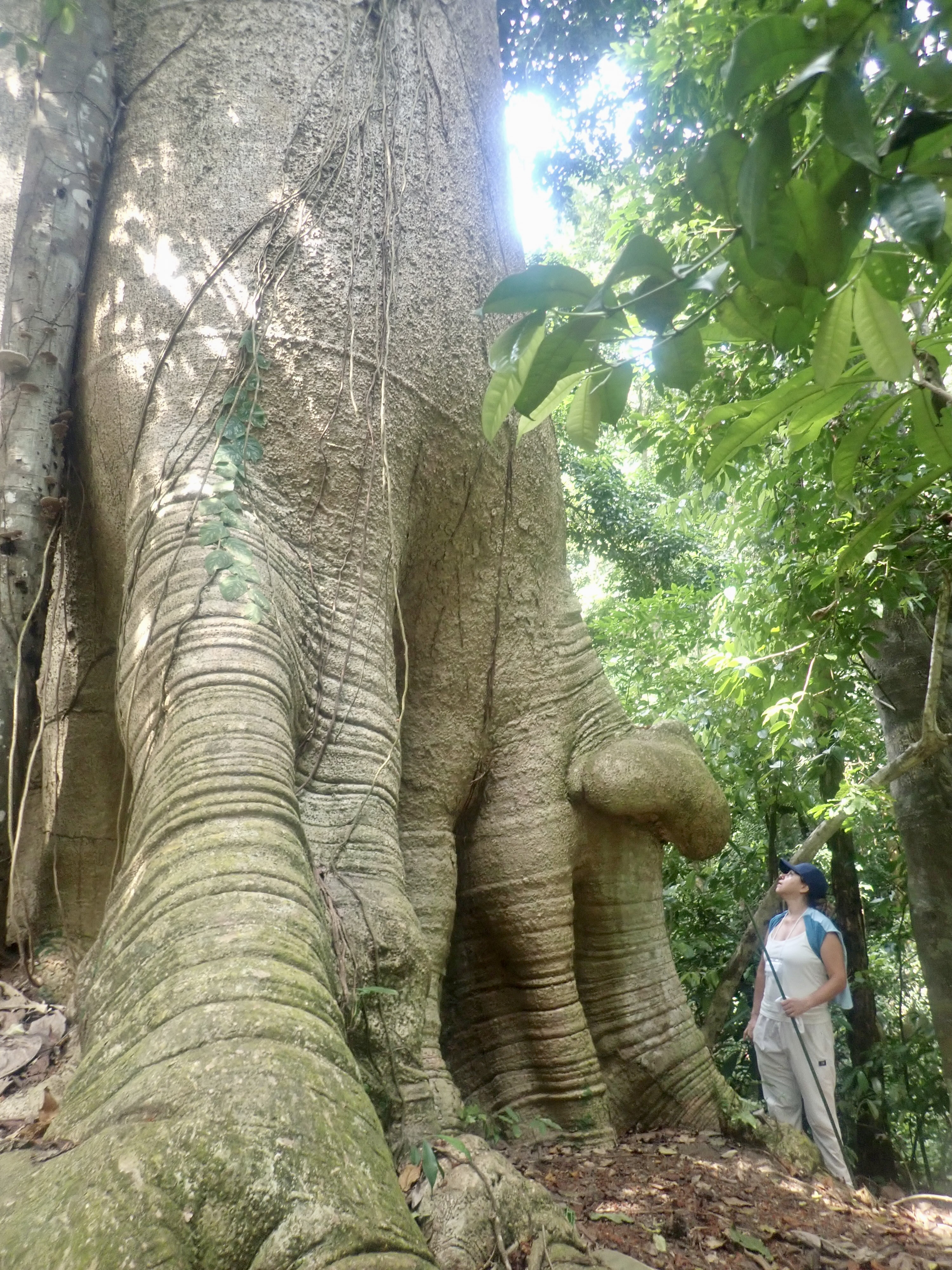
From town one can get a local guide to go into the jungle and up the mountains behind the village to see El Bosque de los Gigantes where there are a number of giant Sampan trees. It’s a 3-4 hour hike and the local guides ask for 40,000 COP to 50,000 per group.
There are more hostels in San Fransicso and most come with breakfast and lunch as there are no restaurants in the town. There are a few little stores selling the bare minimum of supplies depending on recent shipments from the mainland and there is a small variety of fresh fruits, vegetables, meat and fish being supplied by the farms in the jungle. A few beachside bars offer cold beer and bottled water.
Trigana
Trigana is a remote coastal village south of Acandi. It’s renowned for its stunning natural landscapes, including white sand beaches and clear blue-green waters. The area is also home to coral reefs that shelter schools of colorful fish, making it a paradise for snorkeling and diving enthusiasts.
There are a number of good hostels in the area. Walking north there is nice valley leading to some freshwater pools and waterfalls. Further north, past the school, a walk through the jungle is filled with holler monkeys. The trail leads to an isolated, rocky beach.
Nature lovers can explore the Sasardí Nature Reserve, a 60-hectare area encompassing primary forest and regenerating lands. A loop trail from Trigana leads to the reserve after a one-hour walk, culminating in a breathtaking view over the vast Darién jungle bordered by the Caribbean Sea. It’s advisable to have a local guide accompany you on this journey.
Jon McInnes is a journalist who has been traveling to Colombia since 1972. He travels to Colombia and other parts of South America yearly and writes for newspapers, food, wine and travel publications. He currently lives between Colombia and Detroit. You can also follow him on facebook and contact him via email at: jonmcinnesjon@gmail.com
Arboletes-Beaches and Bathing in a Mud Volcano on Colombia's Caribbean Coast
Arboletes is a small, seaside village of 22,000 people on Colombia's southern Caribbean coast. It's tourist destination known for its beaches and mud volcano where one can bathe.
Rincon del Mar-Quaint Fishing Village Just Three Hours from Cartagena
The beaces around the city of Cartagena are crowded, full of locals, tourists and relentless vendors. Don't despair. Take in the city sites then head to the sleepy fishing village of Rincon del Mar just two hours south of the city.






.png)


.png)


.png)


