Colombia Has 5 Breads Rated in the Top 100 of the World
topic
Food, Wine and Agriculture
timer
7 min.
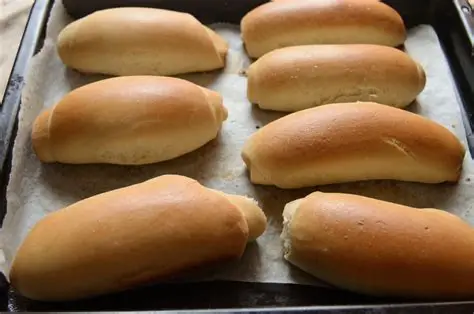
Colombian bread is often described as bland, soft and spongy with a sweet texture. They call their loafs of bread Pan Blanditoor plain bread. This bread is different from the fermented atisanal breads common in Europe. Staple bakery breads here are monotonous and similiar from bakery to bakery throughout the country. They use added sugars to amplify a sweet taste which pairs well with Colombian coffee. It's a texture and taste profile the Colombians prefer.
But don't despair. There are unique quality baked goods to be found here that will not only enhance that exquisite cup of Colombian java but make it sing. Colombia boasts exceptional cheesy, gluten free breads that absolutely must be tried.
In fact, five of Colombia's common breads are rated in a list of the top 100 breads of the world compiled by the prestigious foodie website - Taste Atlas - a renown encyclopedia of traditional flavors, local ingredients and authentic restaurants.
The publication rates foods from around the world every year. In thier list of top 100 breads Colombia always snags 4-5 spots on the list.
Coming in at #2 is:
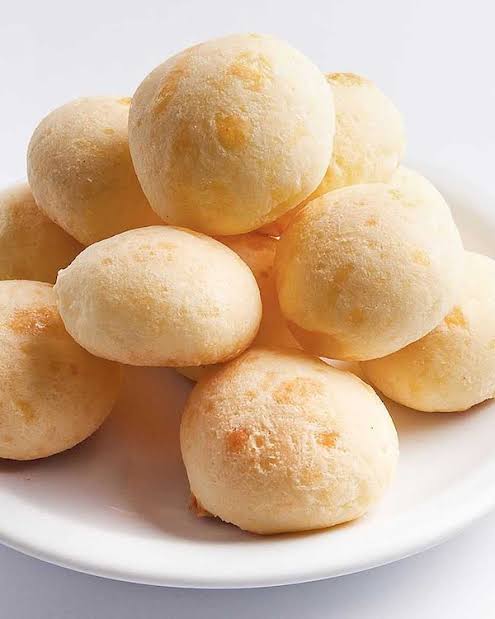
Pan de bono #2
Gluten-free
Pan de bono is a traditional cheesy bread consisting of cassava starch, cornmeal or corn flour, queso fresco, eggs, and sugar. The bread is shaped into bagels or balls that are slightly larger than golf balls and then oven baked. It is crusty on the outside and chewy on the inside.
Pan de bono is similar to other South American cheese breads like pan de queso, difference being the use of corn flour or cornmeal and a hint of sweeteness due to the addition of sugar. The bread is gluten free made with cassava or yuca flour instead of wheat.
It is usually served warm with a cup of hot chocolate on the side. Some claim that the name pan de bono was created in the 1800s by an Italian baker in Cali who used to sing pane del buono (good bread).
While other say Pan de bone originated at an inn called La Hacienda el Bono which was located on the road from the city of Cali, in southern Colombia, to the port of Buenaventura. The bread became famous with travelers and soon became a a staple in the city of Cali and through out Colombia.
Almojabana
Almojábana #15
gluten free
Almojábana is another traditional cheesy bread made with corn and yuca flours, milk curds and cuajada white cheese. It is very popular in Colombia (and other countries of Latin America). Almojabanas are very similar to pandebono. The difference is the texture. Almojabanas are spongy, soft and sweeter made with more corn flour and cheese while Pandebono is usually made with more yuca flour and is denser and crispier.
Almojábanas are baked until they develop an inner spongy texture and a golden brown exterior. This small, round bread is traditionally served warm.
This bread dates back to the year 711 and the conquest of Spain by Islamic Arabs who brought this bread with them. The Spanish name is taken from the Arabic - alomuyabbana. The Spaniards, not fond of the corn meal cakes (Arepas) that were the standard starch of the people in northern South America, brought their Almojabana with them to the new world.
Pan de Queso
Pan de Queso #28
gluten free
Pan de Queso is yet another cheesy bread roll from Colombia, namely the Antiquia region where it is extremely popular. The main ingredients in these clouds of goodness are yuca or tapioca flour, crumbled queso fresco fresh cheese,shredded mozzarella, butter, eggs and milk. It is the fermented cassava starch that gives these rolls their lightness and volume.
They are eaten for breakfast or as a quick breakfast snack.
Pan de Yuca
Pan de Yuca (Cassava bread) #32
gluten free
Pan de yuca is a traditional bread consisting of cassava or yuca flour (tapioca flour) eggs, and cheese. It is usually shaped into small, round balls. The bread is popular throughout Colombia and Ecuador, although there are variations on pan de yuca throughout Latin America.
It makes for a delicious warm appetizer or an afternoon snack, preferably paired with a cup of hot chocolate or coffee.
Pan de Yuca and Pan de Queso are very simimiliar but Pan de Queso uses more cheese and sometimes a mix of yuca and corn flours resulting in a lighter, more puffy and airy texture. Meanwhile Pan de Yuca is more dense, moist and chewy.
Colombian Arepas
Arepa #78
gluten free
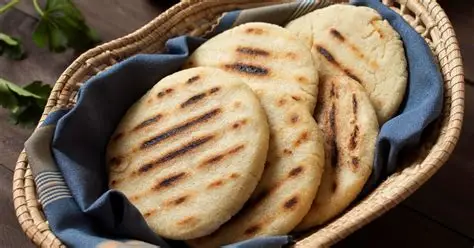
Arepa is a highly versatile cornbread made from ground or precooked corn flour and cooked on griddles like pancakes. They are very popular in both Colombia and Venezuela. Plain arepas are served with almost every meal. They are a staple comfort food and a street snack.
The charred white disks are commonly stuffed with a variety of ingredients.
The name arepa comes from the word 'erepa', the indigenous word for corn bread. It's origins are believed to be from the indigenous tribes inhabiting Venezuela and Colombia
Filled arepas are more interesting and can be found all over Colombia. They are a popular street foods and evening snack. The filling combinations are numerous, from beans, cheese, and avocado to shredded beef and onions. The most popoular in Colombia are:
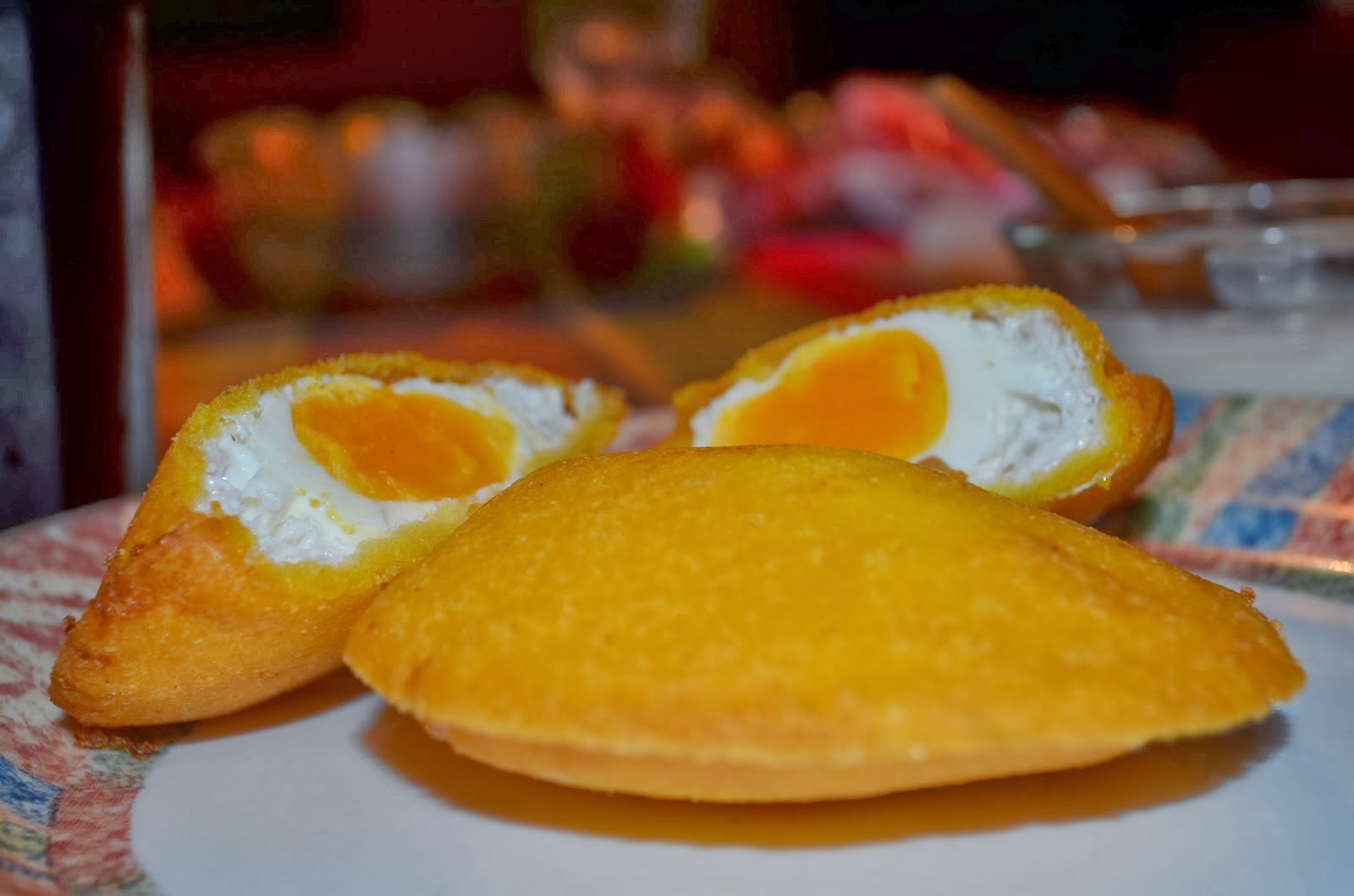
Arepa de Huevo - with egg filling
Arepas de Huevo
are made with corn meal arepa dough folded over a fresh egg and deep fried. Delicious they are my favorite and worth seeking out.
Arepas de Chocolo
are made with dough made from sweet corn mixed with melted magarine and eggs then cooked on a hot griddle. They are often cut open and stuffed with fresh cheese. These arepas are a popular evening street food in Colombia and are easily found.
While Taste Atlas put Venezuelanarepas are on their list of the top 100 breads of the world this year, Colombia may claim the honor next year. There is little difference between the Colombian and Venezuelean arepas. Arepas share a pre-Colombian origin in both countries. The only difference being the Colombian arepas are often flatter, thinner, crispier and usually fried on a griddle while Venezuelan arepas are thicker and often grilled but also baked.
Both countries consume arepas with their meals like bread daily. In fact Colombia and Venezuela are the only countries in the world to include Arepas with practically every meal.
Other typical breads that did not make the list but definately desrve and honarble mention are:
Bunuellos
Bunuellos
gluten free
Bunuellos are typical breads fried in stainless steel frying vats located in the doorways of Colombian bakeries. They are served for breakfast with hot chocolate or coffee. Bunuellos are made with a mix of yuca flour, corn starch, and a salty cheese called queso costeno. Deep fried they are crispy on the outside and soft, warm and chewy on the inside. Depending on what part of Colombia you are in they can either be the size of golf balls or as big as baseballs.
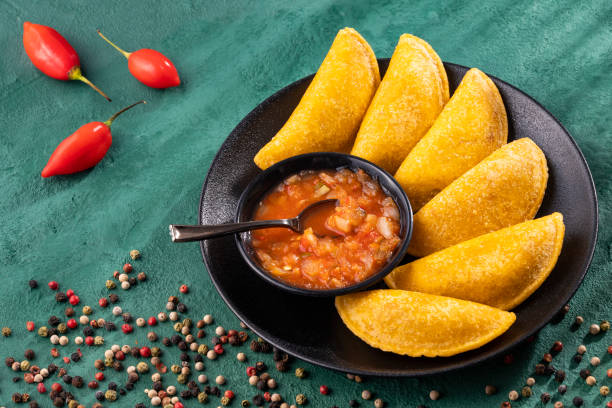
Empanadas with aji sauce
Empanadas
gluten free
Empanadas are deep fried turnovers made with crunchy, fried cornmeal on the outside with a soft, flavorful potatoe and meat filling on the inside. They are served with a spicy herb and hot pepper sauce calle aji.
A staple Colomban snack and comfort food empenadas are best when they are homemade, artesinal and freshly fried. Often what is served in the bakeries and bars are factory made empenadas which lack the distinct flavors and unique shapes of the artesinal variety.
The fillings can vary from beef, pork or chicken mixed with mashed potatoes ot just with a fresh cheese filling-
Jon McInnes is a journalist who has been traveling to Colombia since 1972. He travels to Colombia and other parts of South America yearly and writes for newspapers, food, wine and travel publications. He currently lives between Colombia and Detroit. You can also follow him on facebook and contact him via email at: jonmcinnesjon@gmail.com
Colombia-Not a Food Destination but Exotic, Tropical Ingredients Amaze
Colombia is not exactly known as a food destination. The local cuisine is often boring and bland. But the wide variety of fresh, exotic tropical ingredients never ceases to amaze.
Colombian Coffee Rated Best in the World-Here is Why
Colombia is renown for producing high end, refined, luxury coffee thanks to its near perfect growing conditions of the arabica bean. The culture of coffee growing is central to the country’s rugged, rural identity






.png)


.png)


.png)


