Arboletes-Beaches and Bathing in a Mud Volcano on Colombia's Caribbean Coast
topic
Best Beaches
timer
4 min.
Arboletes is a small, seaside village of 22,000 people on Colombia's southern Caribbean coast. It lies between the cities of Turbo and Tolu.
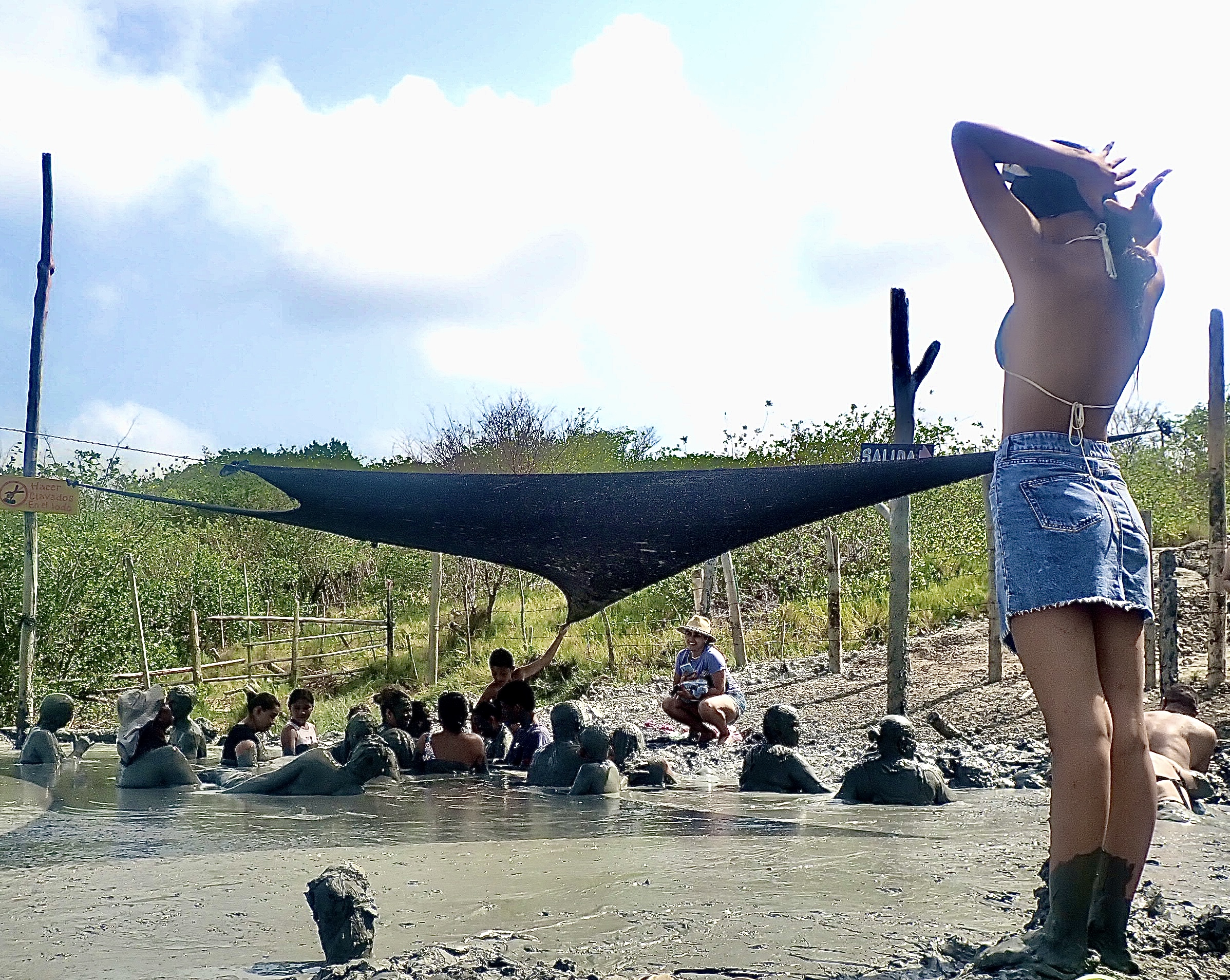
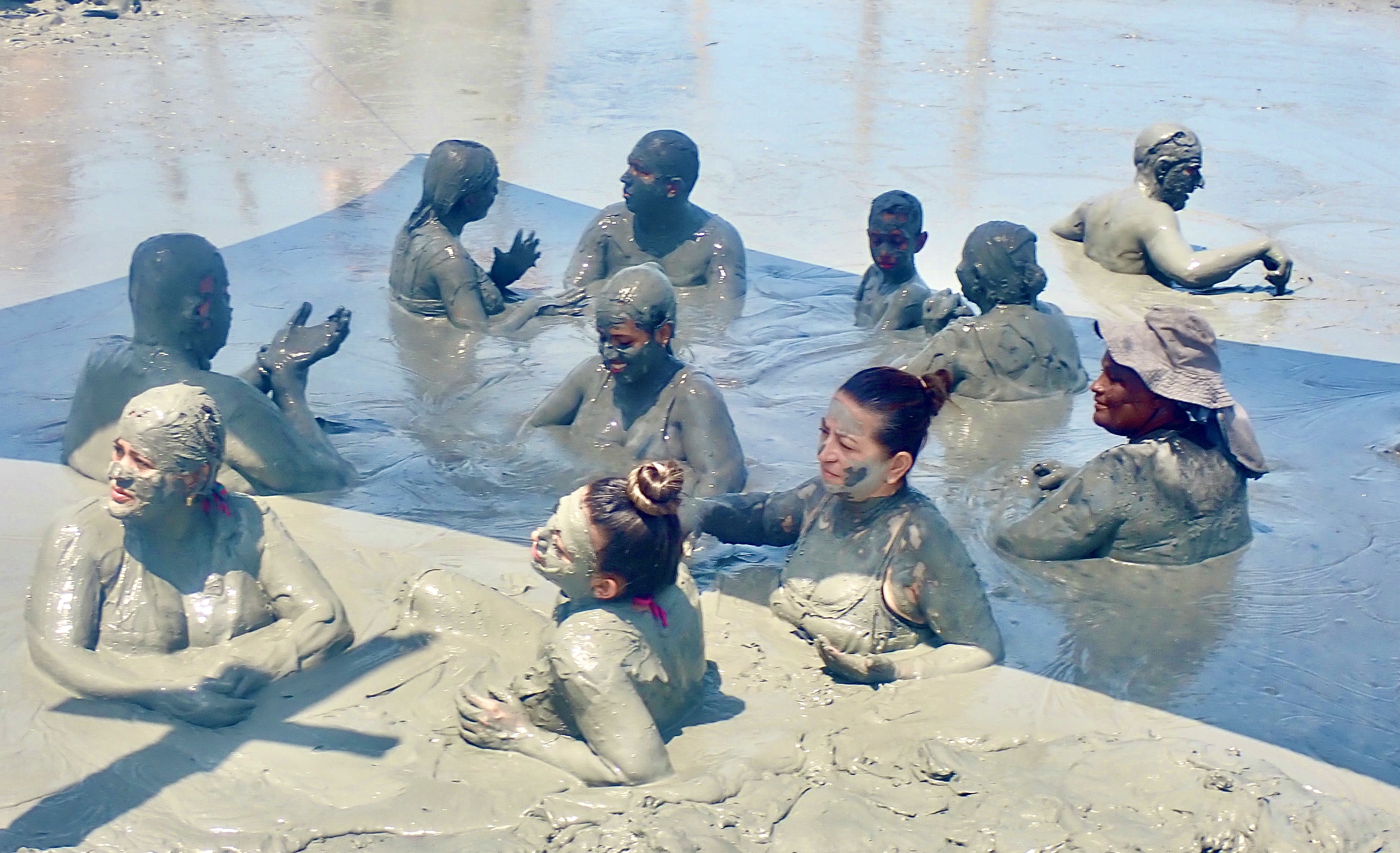
The village is a Colombian tourist destination for its volcano and beaches. The mud volcano, called the Volcan de Lodo Arboletes, is an ecological park located just outside the village. Here tourists can float in a crater of warm mud 50 meters in diameter. The mud's density, while resembling quick sand, actually allows people to float on top of the fine grained mud without sinking. People swim, wiggle and crawl over the mud. And since there isn't a bottom to touch one has a strange sensation of levitating.
Bathing in the mud volcano at Arboletes
beaches at Arboletes
The mud is heated through volcanic forces deep in the earth. An active volcano, it last erupted in 2006 and 2010. Eruptions blew mud slurries and flames mixed with thermal water and gases high in the sky. Mud volcanoes are not true volcanoes because they don't produce lava. There are over 1,000 mud volcanoes in the world but most are too hot to permit bathing.
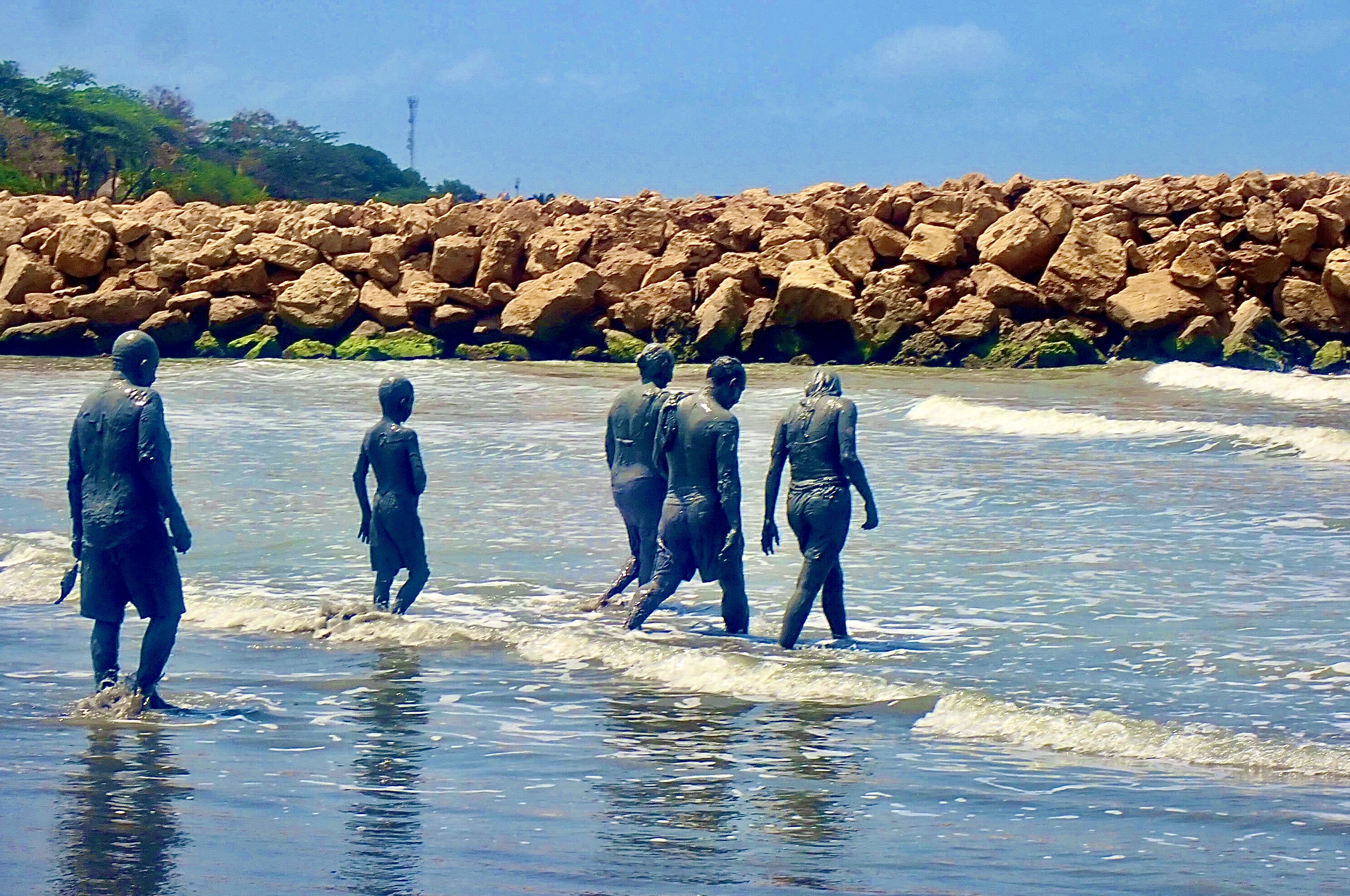
While the main crater has been closed till later in 2024 for repairs on adjacent out buildings there is a smaller crater down by the beach where one can mud bathe for free. Afterwards one may go down to the beach to bake the mud on one's skin and then wash it off in the ocean.
Therapeutic Benefits of Volcanic Mud
People from around the world come to soak in this therapeutic sludge. The mud contains an abundance of minerals which have derma-cosmetological properties. Scientific studies have shown the mud contains high cleaning properties that put a deep polish on the skin. The mud also possesses mineral salts that nourish and regenerate the body along with anti-inflammatory properties. The volcanic ooze expels the body's uric acids, stimulates circulation, relieves rheumatism, aches and pains along with a long list of other health benefits.
A hotel on the beach at Arboletes
The mud baths are free. Though there aren't any facilities at the volcano - just a bath house with changing rooms and showers. But because of a water shortage in the area, most people just go down to the sea to wash the mud off off in the Caribbean's warm salt water. Last checked ther were in the process of updating the facilities at the mud volcano and there may be a slight charge in the future.
Washing the mud off in the sea
The mud volcano is located about a quarter mile outside of town. To get there one can catch a taxi in town or just walk up beach to the crater. It's not unusual to walk the beach and see people returning from the mud baths still caked in mud.
A stone's throw from the sea, the mud volcano maybe too close as rising sea levels have put the volcano in jeopardy of being overcome by coastal erosion. The town is currently working on erecting sea walls to protect the crater.
While mud baths are considered safe they recommend you not to let the mud get into your ear canal. Also, wear an old swim suit as the mud stains and discolors fabric.
Arboletes is a 45 minute trip from the nearest city of Monteria. It's a 6 hour trip south of Cartagena 190 miles (307 km.); a 2 hour bus ride from Necoli 47 miles (77 km) and 287 miles; and it's a 9 hour bus trip from Medellin 287 miles (462 km.) northwest of Medellin. From Necoli and Turbo on the coast one can take a boatt to Capurgana.
Not to be confused, there is another mud volcano 45 minutes N.E. of Cartagena called El Lodo de Totumo. It's smaller than the mud volcano at Arboletes and it's actually a crater. One has to climb up the crater and down into to bathe in the mud.
Jon McInnes is a journalist who has been traveling to Colombia since 1972. He travels to Colombia and other parts of South America yearly and writes for newspapers, food, wine and travel publications. He currently lives between Colombia and Detroit. You can also follow him on facebook and contact him via email at: jonmcinnesjon@gmail.com
The Pacific Beaches around Buenaventura
The beahes of Buenaventura are stunningly beauiful - mountain cliffs drop out of tropical jungles, huge caverns and secluded bays revealing vast beaches at low tide.
The Best Caribbean Beaches in Colombia are near Santa Marta
The best Caribbean beaches on the mainland of Colombia are in the north, around the port city of Santa Marta. SM is a small, easy and accommodating city one can easily get the hang of in an afternoon stroll.








.png)


.png)


.png)


